




Health and Safety Training for Construction Employers
[edit] Introduction to HSE training
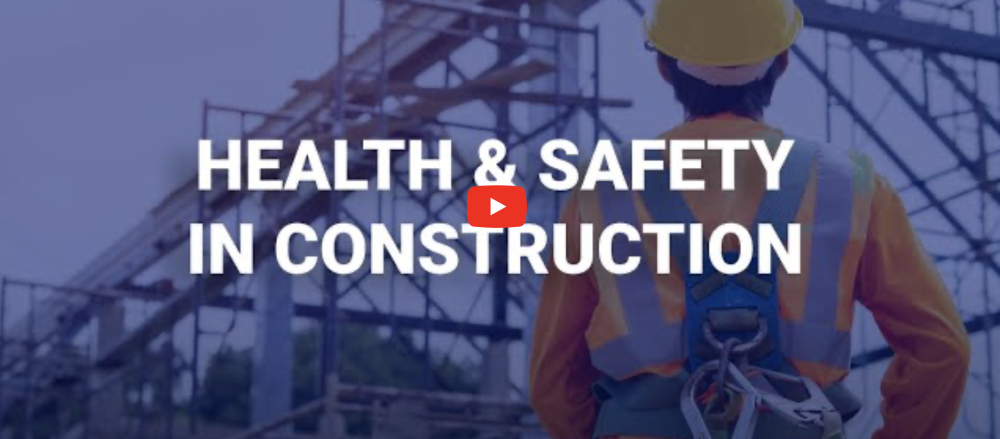
As professionals in the construction industry, we know that our workforce's safety is of utmost importance. Given the dynamic nature of construction sites and the associated risks, we as employers must provide our workers with the necessary training and expertise to ensure their safety while on the job.
This article will discuss the essential health and safety training construction employers must provide their staff. We will cover topics such as working at height and construction health and safety, detailing their significance, core elements, and practical application.
[edit] Working at Height Training
In the field of construction, working at elevated levels is a frequent activity that poses considerable danger. The primary cause of fatalities on construction sites is falling from heights. To minimise these hazards, it is crucial to offer comprehensive training on working at height.
Ensure your employees know how to use fall protection equipment, including guardrails and harnesses. Provide them with working at height training on properly setting up and inspecting ladders, scaffolding, and other elevated work platforms. Stress the significance of securing tools and materials to prevent objects from falling. Consistently offer refresher courses to keep your workforce informed about the most current safety procedures.
[edit] Electrical Safety Training
Construction sites are prone to electrical hazards, which can lead to serious consequences in the case of accidents. To avoid such incidents, providing sufficient training on electrical safety to the workforce is important.
Educate your employees on electrical dangers and the proper handling of electrical cords and equipment. Stress the significance of implementing lockout and tag-out protocols prior to conducting maintenance or repairs. Conduct routine evaluations of electrical tools and equipment to detect and replace any damaged or defective components.
[edit] Machine and Equipment Safety Training
To ensure the safety of all workers at construction sites, it is crucial to provide training on machine and equipment safety, especially for operators and those who work in close proximity to heavy machinery and equipment. The sites are typically busy with the use of such machinery and equipment.
Ensure your staff members are knowledgeable about how to operate and maintain machines, including cranes, bulldozers, and excavators, safely. Emphasise the significance of using protective guards and wearing seatbelts while operating machinery. Educate your employees to recognise and immediately report any equipment malfunctions to avoid potential accidents.
[edit] Construction Health and Safety Training
To ensure a safety-conscious workforce, it is essential to have a construction health and safety training programme that is tailored to address the specific risks present on your construction site.
The subjects that need to be addressed are identifying hazards, evaluating risks, knowing what to do in emergency situations, and using safety gear properly. Ensure your employees know the possible health dangers associated with construction substances like asbestos and silica dust, and stress the significance of wearing respiratory protection when required.
[edit] Hazardous Materials Handling Training
When engaging in construction work, it is common to come across dangerous substances such as flammable materials, chemicals, and solvents. It is essential to receive adequate training on handling these hazardous materials to avoid accidents, exposure to harmful substances, and environmental damage.
Ensure your employees have sufficient knowledge about the possible dangers related to particular substances and the proper methods of storing, managing, and disposing of them securely. Offer unambiguous instructions on the use of personal protective gear such as gloves, goggles, and respirators while handling hazardous materials.
[edit] Excavation and Trenching Safety Training
Because of the possibility of collapses and cave-ins, excavation and trenching pose distinct risks. To keep your employees safe, they must be trained in excavation and trenching safety.
To prevent cave-ins, teach your workers how to shore, bench, and slope trenches correctly. Teach them how to use protective measures such as trench boxes and shields. Make sure staff are aware of the dangers of entering an uncovered trench and are familiar with the emergency response plan in the event of a collapse.
[edit] First Aid and CPR Training
Despite the best efforts to prevent mishaps, accidents still happen on construction sites. Proper first aid and CPR training can mean the difference between life and death until expert help arrives.
All workers and supervisors must have first aid and CPR training. Ensure that your employees are aware of the placement of first aid supplies and how to utilise them successfully. Employees should be designated as first responders to respond quickly to any medical events on-site.
[edit] Conclusion
Safety is a shared responsibility that every construction employer must prioritise. Implementing the seven important health and safety trainings mentioned in this thorough handbook will provide your employees with the knowledge and skills they need to manage risks and prevent accidents on the job.
Keep in mind that safety is an ongoing process. Review and reinforce these trainings on a regular basis to keep your team up-to-date on current safety practises and legislation. By putting health and safety first, you safeguard your workers and create a great work atmosphere and a safety culture on your construction site. Your commitment to comprehensive health and safety training sets the stage for a successful and accident-free project, benefiting both your workers and your business in the long run.
[edit] Related articles on Designing Buildings
- Achieve safety in demolition.
- Anti-fatigue mats.
- Automated external defibrillator AED.
- BS ISO 45003 Psychological health and safety at work - managing psychosocial risks.
- Collaborative Reporting for Safer Structures UK.
- Competent person.
- Construction Site Security guide.
- Control of Substances Hazardous to Health (COSHH).
- Deleterious materials.
- Demolition.
- Design risk management (DRM)
- Environmental health.
- Fire engineer.
- Fire inspector.
- Fire safety design.
- Grenfell Tower fire.
- Health and safety for building design and construction.
- Health and safety at work etc act 1974.
- Health and safety inspector.
- Health and safety offences, corporate manslaughter and food safety and hygiene offences definitive guideline.
- Heat stress.
- Injuries on construction sites.
- Notification to HSE.
- Occupational Safety and Health Administration OSHA.
- Personal protective equipment.
- Principal contractor.
- Registration, evaluation, authorisation and restriction of chemicals REACH.
- Reporting accidents and injuries on construction sites.
- Safety.
- Safety tips for construction workers.
- Site induction.
- Statutory obligations.
- The impact of silicosis on the construction industry.
- Understanding mental health in the built environment.
- Work at height regulations.
- Work at height rescue plan.
- Workplace drug testing methods.
- Workplace safety supplies.
[edit] External links
https://humanfocus.co.uk/e-learning/health-and-safety-in-construction/
Featured articles
Check out some of the best features and news from Designing Buildings as well as key stories from around the web.

Bringing together expertise and creating cultural benefits.

CIOB celebrates positive Ofsted report.

The Building Safety Regulator announces a call for evidence.

Government approach could undermine delivery and regeneration.
World's first mass timber data centre.

The overlooked environmental aspect of data centre development.
Introduction to radon awareness

New technical information sheet published by CIOB.

Updated supplier guide can help electrical contractors engage with NHP.

CIAT confirm the winners of the 2026 architectural technology awards.

Government launches a one stop shop for flood preparedness.

Sir Edwin Lutyens: Britain's greatest architect? Book review.

CIOB publishes free template to help assess and manage risks.
ECA's reflections on Party Conference season

Burnham wants to be confident of winning before asking for a fresh mandate.